


Landlord contents insurance protects eligible landlord-owned belongings at a rental property against insured events. It’s separate from buildings insurance and cover for tenants’ personal possessions. A standard home contents policy may not be suitable for a let property.


Find the Right Contents Cover for Your Rental Property
What Is Landlord Contents Insurance?
Renting out a property comes with certain risks. You can never 100% trust that your tenants will care for your property like you would. They can cause accidental damage like leaving a tap running or an iron switched on, and they don’t have the same personal interest in the property as you do.
With that in mind, you can insure the contents of your let property against risks such as flooding, fire and theft with a specialist landlord contents insurance policy.
Do I Need Landlord Contents Insurance?
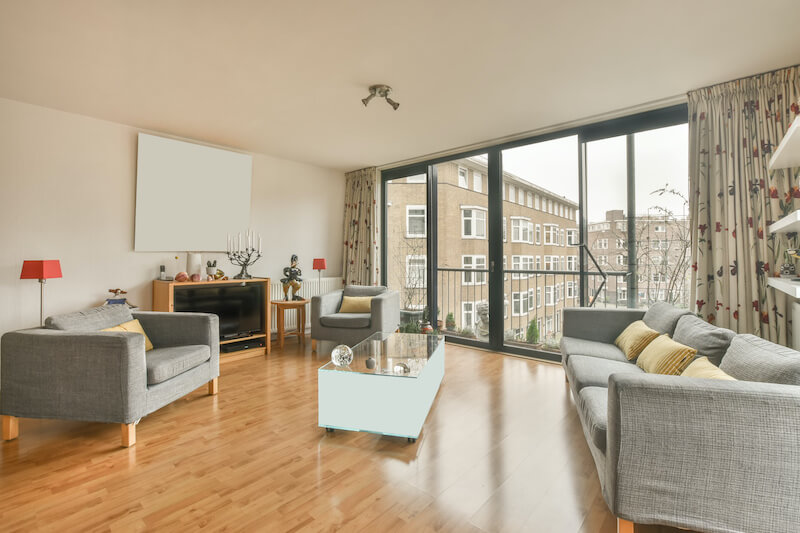
Landlord contents insurance is particularly important if you are renting out a furnished or part-furnished property. Items such as sofas, TV and beds within the property all need to be protected against loss or damage, and the cost all adds up.
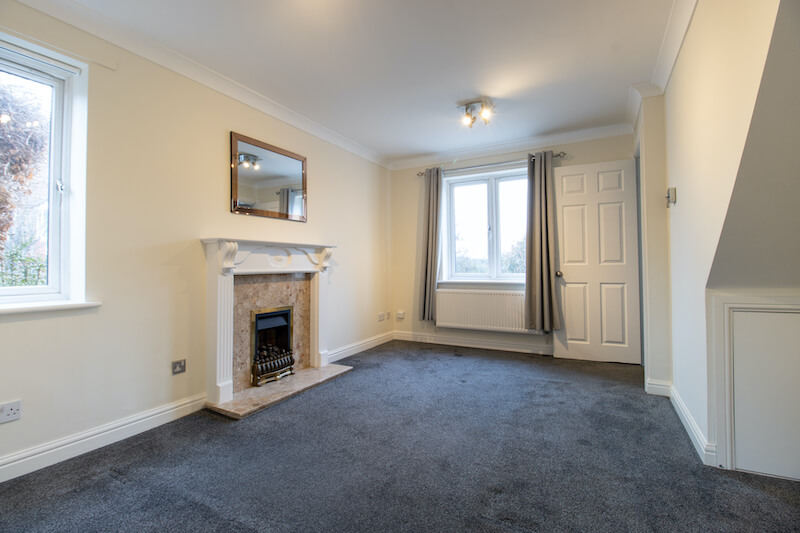
If your rental property is unfurnished, you may still wish to cover any free standing-white goods and carpets with a contents insurance policy.
Contents, Fixtures and the Building
Movable furniture and freestanding appliances may fall under contents, while fitted kitchens, permanent flooring and built-in fixtures may fall under buildings. Definitions vary, so both sections should be checked to avoid gaps or overlapping cover.
What the Landlord and Tenant Each Own
Landlord contents insurance covers eligible landlord-owned belongings, not tenants’ personal possessions. An inventory helps identify the furniture, appliances and furnishings provided. Tenants need separate cover for their belongings, while a tenancy deposit doesn’t replace insurance.
How to Choose the Right Landlord Contents Insurance
When comparing landlord home and contents insurance, consider the following factors:
- Prepare a Contents Inventory: List landlord-owned furniture, appliances and furnishings. Photographs and receipts can help document their condition and value.
- Set a Realistic Replacement Value: Calculate current replacement costs and check item limits and underinsurance provisions.
- Declare the Tenancy and Use: Tell the insurer whether the property is a single-family let, HMO, student let or short-term rental.
- Compare Insured Events: Check protection against fire, flood, theft, accidental damage and malicious damage.
- Coordinate Other Cover: Consider buildings, liability, loss of rent and rent guarantee separately.
- Check Claims Conditions and Excesses: Review excesses, evidence requirements, settlement terms and exclusions to understand what you could recover following a claim.
Get a Landlord Contents Insurance Quote
How Does Landlord Contents Insurance Work?
The insurer assesses the rental property, declared belongings, tenancy and selected risks. The policy schedule and wording set out what landlord contents insurance covers, along with its limits, exclusions, and conditions. Claims are assessed against these terms rather than automatically covering every instance of tenant damage.
Starting Cover and Keeping Details Accurate
Provide the rental address, property type, contents value, inventory and tenancy details. Notify the insurer of changes to occupation, letting arrangements or extended vacant periods where required.
Evidence After Loss or Damage
Claims may require photographs, proof of ownership, item values and incident details. Inventory records help establish the condition of belongings before the loss.
Replacement, Repair and Policy Limits
Check whether the policy offers a new-for-old replacement or another settlement basis. Excesses, item limits and underinsurance provisions affect the amount payable.
Voids and Changes in Tenants
Empty properties may be subject to additional restrictions or security conditions. Check policy requirements before a tenancy ends or the property changes use.
What Can Landlord Home and Contents Insurance Cover?
What Is Covered by Landlord Contents Insurance?
You can tailor your policy to suit your own needs. You can cover:
- Damage to floor coverings such as carpets, where these are not permanently fixed to the property
- Alternative accommodation for tenants if the property is uninhabitable for a period of time
- Replacement locks if they are damaged in a burglary or the keys are lost
Furniture, Furnishings and Appliances
Contents insurance for landlords can include sofas, beds, dining furniture, curtains, freestanding appliances and other items provided for tenants. Higher-value belongings, shared-area furnishings and items kept outside the property may need separate assessment and specific limits.
Fire, Flood, Storm and Escape of Water
These insured events can cause significant damage to multiple belongings at once. Depending on the policy, landlord building and contents insurance may cover eligible losses caused by fire, flooding, storms or escape of water. Each event has specific terms, exclusions and excesses.
Theft and Attempted Theft
Cover for theft may depend on how entry was gained, the property’s security and who occupied it. Theft by tenants or people lawfully accessing the property may be treated differently from burglary. Check the policy wording for applicable restrictions.
Accidental and Malicious Damage
Accidental damage, such as a spillage or breakage, is different from deliberate damage by tenants. Both may require additional cover or specific extensions. Check exclusions, limits and conditions rather than assuming all tenant-related damage is insured.
Locks and Additional Benefits
Some policies cover replacement locks following an insured burglary or lost keys. Alternative accommodation for tenants may also be available under a wider landlord insurance arrangement, subject to specific triggers, limits and time restrictions.
Property Owners’ Liability
Property owners’ liability is separate from contents protection. It may cover compensation and legal costs if a landlord is legally responsible for injury or damage to another person’s property. When arranging landlord building and contents insurance, liability protection should also be considered as a separate requirement.

What Is Not Usually Covered by Landlord Contents Insurance?
What Is Exempt From Landlord Contents Insurance?
Landlord contents insurance doesn’t cover general wear and tear or any items belonging to your tenants. Tenants will need to insure their contents under a separate tenant’s contents insurance policy.
Here’s what’s generally excluded from contents insurance for landlords:
General Wear and Tear: Fading, scuffs, worn furnishings and ageing appliances aren’t covered. Routine maintenance and deterioration are the landlord’s responsibility.
Existing Damage: Damage that occurred before the policy started is excluded. An inventory can help establish the condition of belongings before a tenancy.
Tenants’ Personal Possessions: Clothing, electronics and furniture belonging to tenants aren’t covered by landlord contents insurance. Tenants need their own contents insurance.
Uninsured Tenant Damage: Accidental or malicious damage by tenants may be excluded unless the relevant extension is included. Check the policy wording for specific conditions and limits.
Structural and Building Damage: Damage to the property’s structure, fitted fixtures and permanent flooring generally falls under buildings insurance rather than contents cover.
Unpaid Rent and Legal Disputes: Rent arrears and legal expenses aren’t automatically included. These require separate landlord insurance arrangements where available.
Contents Cover for Different Rental Arrangements
The type of tenancy and furnishings influence the contents protection a landlord may need. Consider the following arrangements:
Furnished and Part-Furnished Homes
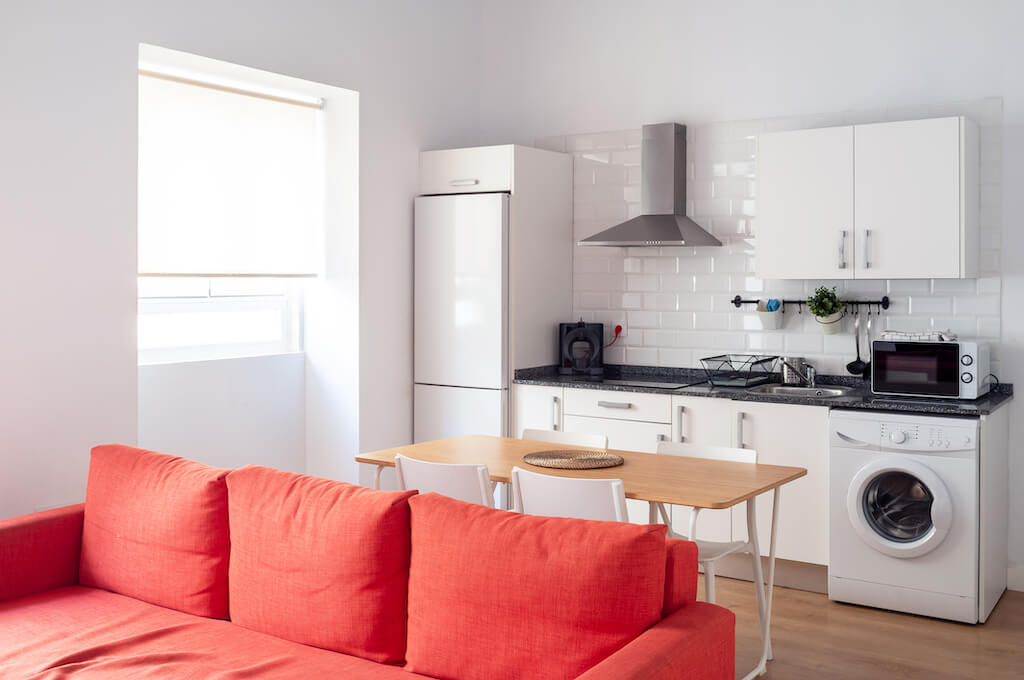
A fully furnished home may have beds, sofas, appliances and other provided furnishings that may create significant replacement costs. A part-furnished property may have a considerably smaller but relevant inventory. The contents sum should reflect the actual inventory.
Unfurnished Properties With Landlord-Owned Items
An unfurnished property may have carpets, curtains and landlord-owned appliances that may still need cover. Their treatment depends on the policy’s contents and building definitions. Regardless of a small inventory, a cover is still relevant.
Leasehold Flats and Converted Properties
A block policy may cover the building and certain fixtures but not the landlord’s belongings, as they may be tied to a separate arrangement. The block schedule and lease maintain what’s already insured. Review the existing schedule before arranging additional cover.
Shared Houses, HMOs and Student Lets
Shared occupation can change the items that may be provided, as well as access arrangements and damage exposure. Disclosure and appropriate underwriting are required in the case of HMOs and student lettings. Shared kitchens, communal furnishings and multiple occupants can change the risk. Declare the occupation type and items provided to the insurer.
Portfolios and Multi-Property Landlords
A portfolio can need combined inventories and sums at multiple addresses. Each property needs an accurate inventory and appropriate contents value. Check which addresses are accepted under a combined arrangement.
Short Lets, Holiday Lets and Serviced Accommodation
Frequent guest turnover and furnished accommodation create different exposures from standard residential tenancies. Confirm that the insurer accepts the intended use. A residential contents policy may not cover every short-stay model.
Landlords Replacing Furnishings or Changing Letting Models
New appliances, replacement furniture or a change from unfurnished to furnished letting can affect the required cover. While the work is being done, there is also a void period that could potentially affect conditions. These changes are best as part of the cover review.
How Much Does Landlord Contents Insurance Cost?
The cost of landlord contents insurance depends on the property’s location, contents value, tenancy type, claims history and selected cover. Optional damage protection and excess levels can also affect the premium.
It’s important to compare premiums alongside item limits, excesses and exclusions. Lower premiums may mean reduced protection, while an inadequate contents sum could leave you facing a significant replacement shortfall after a claim.
Compare Landlord Contents Insurance With Heath Crawford
At Heath Crawford, we can review your landlord home and contents insurance alongside any existing buildings or block policy to identify potential gaps and overlapping cover.
By assessing your inventory, tenancy arrangements and wider property insurance needs, our advisers can help you compare options through our insurers.
Our Let Property Insurance covers can also address other landlord exposures, including buildings and liability. We can provide ongoing support when your furnishings, letting arrangements or insurance requirements change, including guidance on notifying insurers and reporting claims.
To speak to our team, call 020 8421 7030.
Get your Landlord Contents Insurance Quote
If you’re interested in Landlord Contents Insurance, please fill in the form below with your contact details and we’ll get back to you as soon as we can.
Landlord Contents Insurance FAQs
Is Landlord Contents Insurance Different From Tenants’ Insurance?
Yes. Contents insurance for landlords concerns the landlord’s declared belongings, while tenants’ insurance concerns the tenant’s possessions. Neither automatically replaces the other’s policy.
Do I Need Contents Cover for an Unfurnished Let?
The property may still contain landlord-owned appliances or furnishings. Their values and policy definitions determine what can be considered, even where no beds or sofas are provided.
Are Carpets, Laminate Floors and Fitted Kitchens Contents?
The definitions vary. Carpets may be treated differently from permanent flooring or fitted kitchens, so the landlord’s building and contents insurance schedules need to be checked together.
Does the Policy Cover Accidental Damage by Tenants?
It depends on the selected cover and terms. Accidental damage may be an extension, with exclusions or limits. Wear and tear remains separate.
Is Malicious Damage the Same as Accidental Damage?
No. Intentionally caused damage can have different eligibility, conditions and limits. It should be checked separately rather than inferred from accidental damage cover.
Does Landlord Contents Insurance Pay Rent Arrears?
Contents cover doesn’t automatically provide a rent guarantee. Unpaid rent and loss of rent after insured property damage are distinct exposures that need separate assessment.
How Much Should I Insure My Contents For?
An inventory and current replacement costs help establish an appropriate sum under the policy’s settlement basis. Item limits and underinsurance terms also need consideration.
Are Tenants’ Temporary Accommodation Costs Included?
Some landlord arrangements can include alternative accommodation, subject to an insured trigger and limits. It should not be assumed to be included in every contents-only policy.
Can Shared Houses and Short Lets Be Covered?
They may be considered under appropriate arrangements. The actual occupation and use need to be declared and accepted by the insurer.
What Happens Between Tenancies?
The policy’s vacancy definition and conditions apply. A longer empty period may require notification or specialist unoccupied cover rather than unchanged contents protection.